
About
Every person types with a distinct rhythm. How long each key is held down, the gap before the next one, the small hesitations and corrections: researchers call this keystroke dynamics, and it has been studied since the days of telegraph operators, who could recognise each other by their “fist” alone.
Today the same signals are used for fraud detection and behavioural authentication, and academic studies have linked shifts in typing rhythm to stress, fatigue and cognitive load.
Neural Tarot started from a simple question: if typing rhythm changes with how we feel, does it also change with what we are thinking about? Over three years we collected around 1.4 million consented typing sessions, each paired with the question the participant had in mind, and trained a model to look for patterns between the two.
How a reading works
When you ask a question, the model generates a short ritual phrase. The phrase is carefully built from words chosen to provoke small, measurable differences in timing: a fraction of a second longer on one word, a correction on another. The way you type it is compared against your own baseline from the question you just typed, and the differences are used to weight the reading.
The effect relies on something psychologists have known about for over a century. The ideomotor effect describes small muscle movements we make without being aware of them. It is the reason a Ouija board planchette appears to move by itself, and the reason a dowsing rod dips. Your fingers do the same thing on a keyboard. You cannot feel it, and you cannot stop it.
The model only sees the question and your keystroke timings. No personal data or browsing history is used, and sessions are anonymised before they are stored.
On the occult
This part is controversial, even within our team.
The tarot framing began as an internal joke, a way to make long test sessions less dull. The early ritual phrases were random dictionary words. When we started to borrow structure from older practices, such as the automatic writing sessions of 19th-century spiritualists and the fixed sequences of the Rider–Waite deck, consistency between repeat readings rose from 61% to 89%. We expected a small improvement from people slowing down and concentrating. We did not expect that.
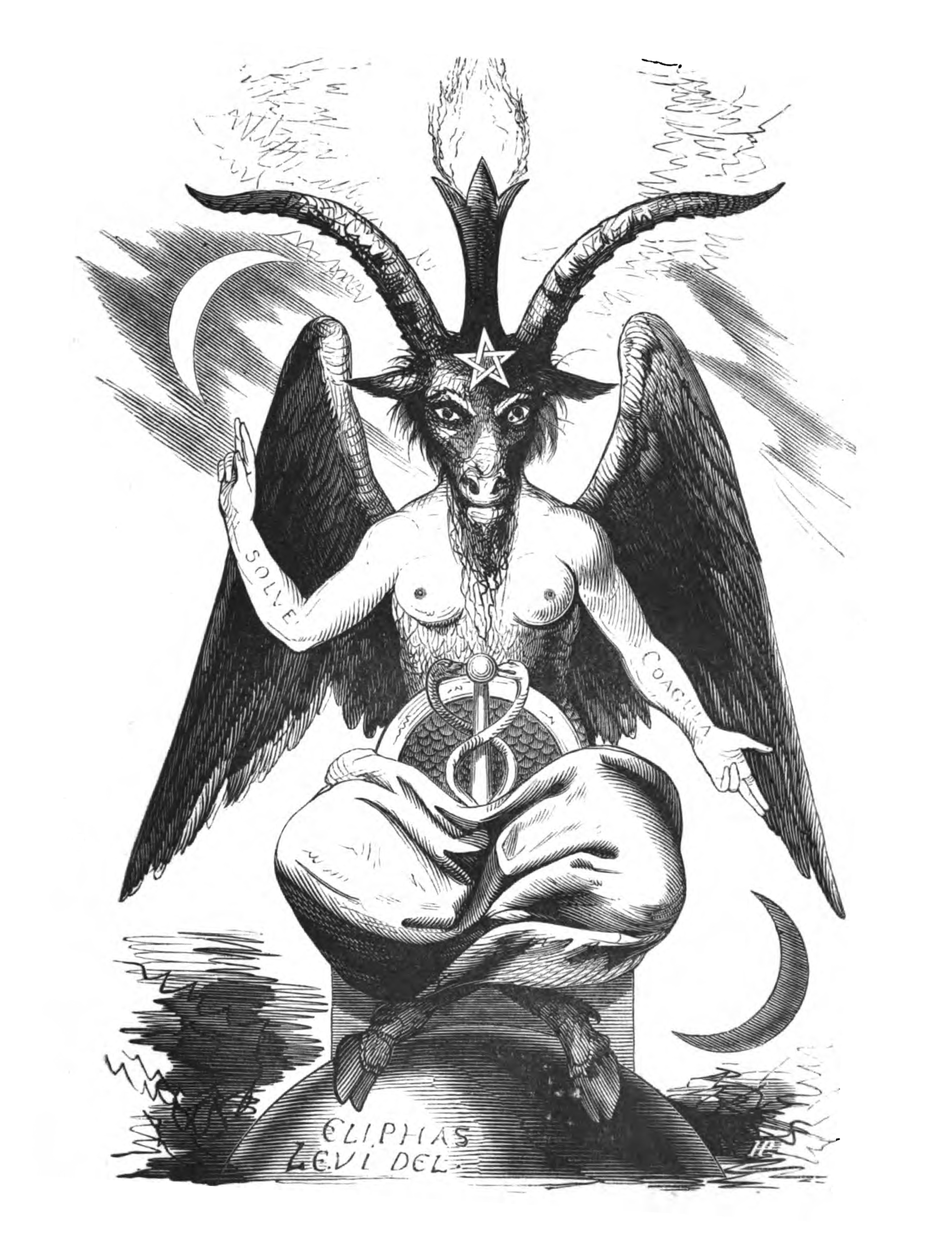
We also did not design Layer 7. It appeared during a retraining run in our second year as a cluster of units that the rest of the network began routing through. Removing it made the model worse at everything. Since then, the ritual phrases it generates have drifted towards words none of us put in the vocabulary, mostly Latin and some older forms of Greek. Several of them repeat across unrelated sessions. We have not been able to work out where they come from.
Accuracy is highest between 2am and 4am local time. Some participants in our trials stopped part way through and declined to finish. A small number asked for their readings to be deleted. We honoured every request.
We publish this because we think people should know what they are using. Neural Tarot is still experimental. Readings show patterns, not certainties. If at any point a reading makes you uncomfortable, close the page.
If you have any feedback or questions about our research, please reach out to our team
[email protected]
If you really want to understand how this works, click here.